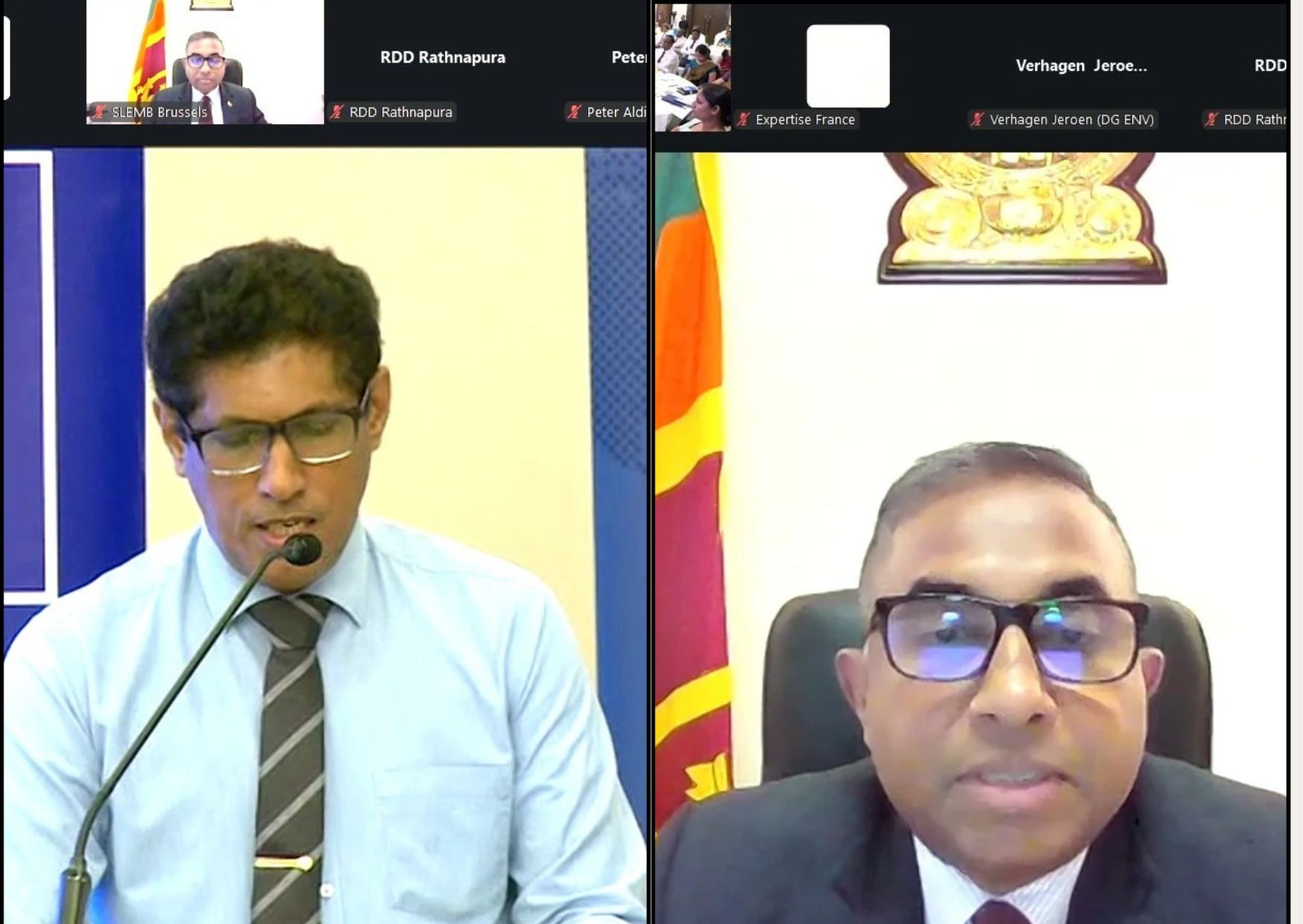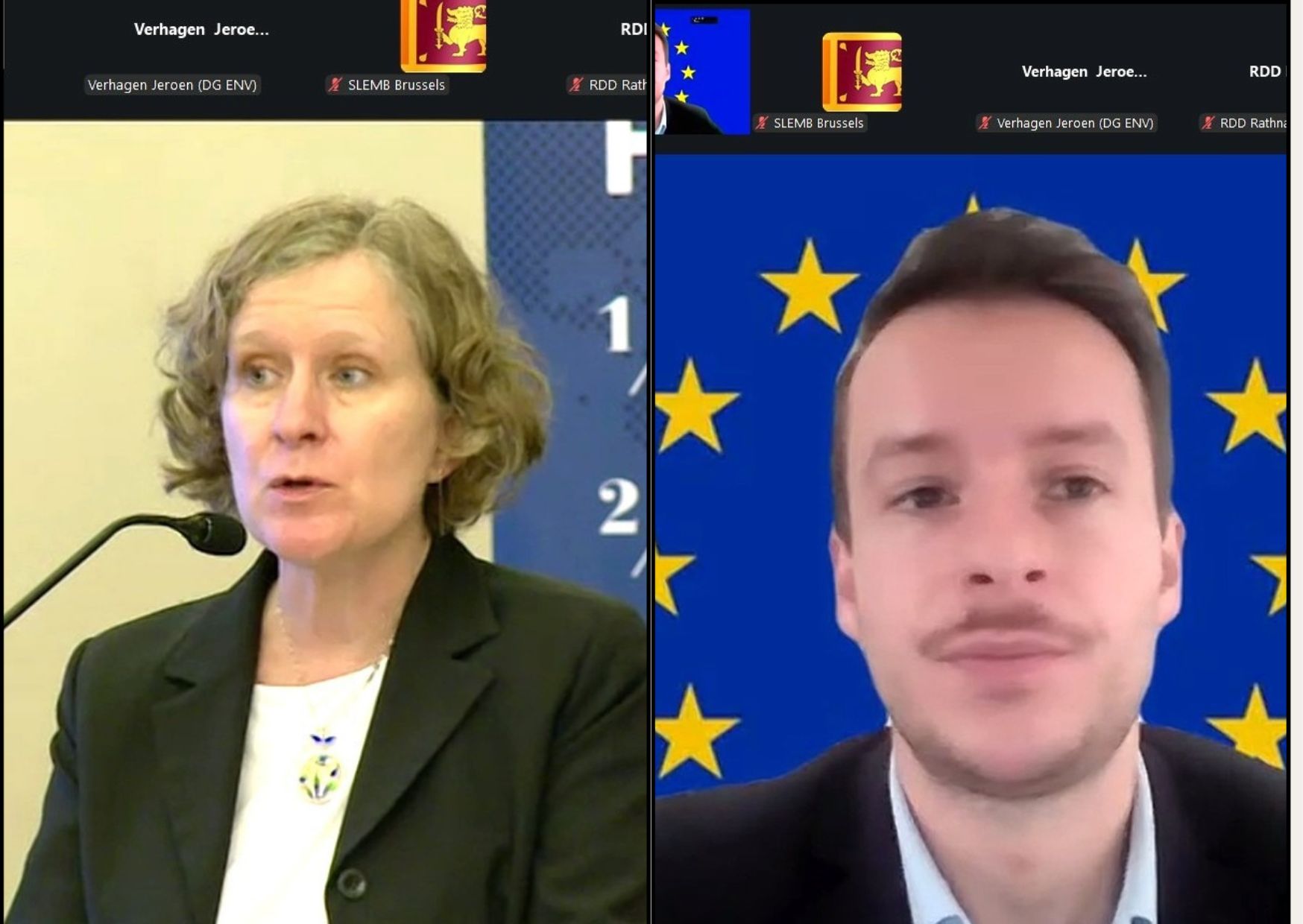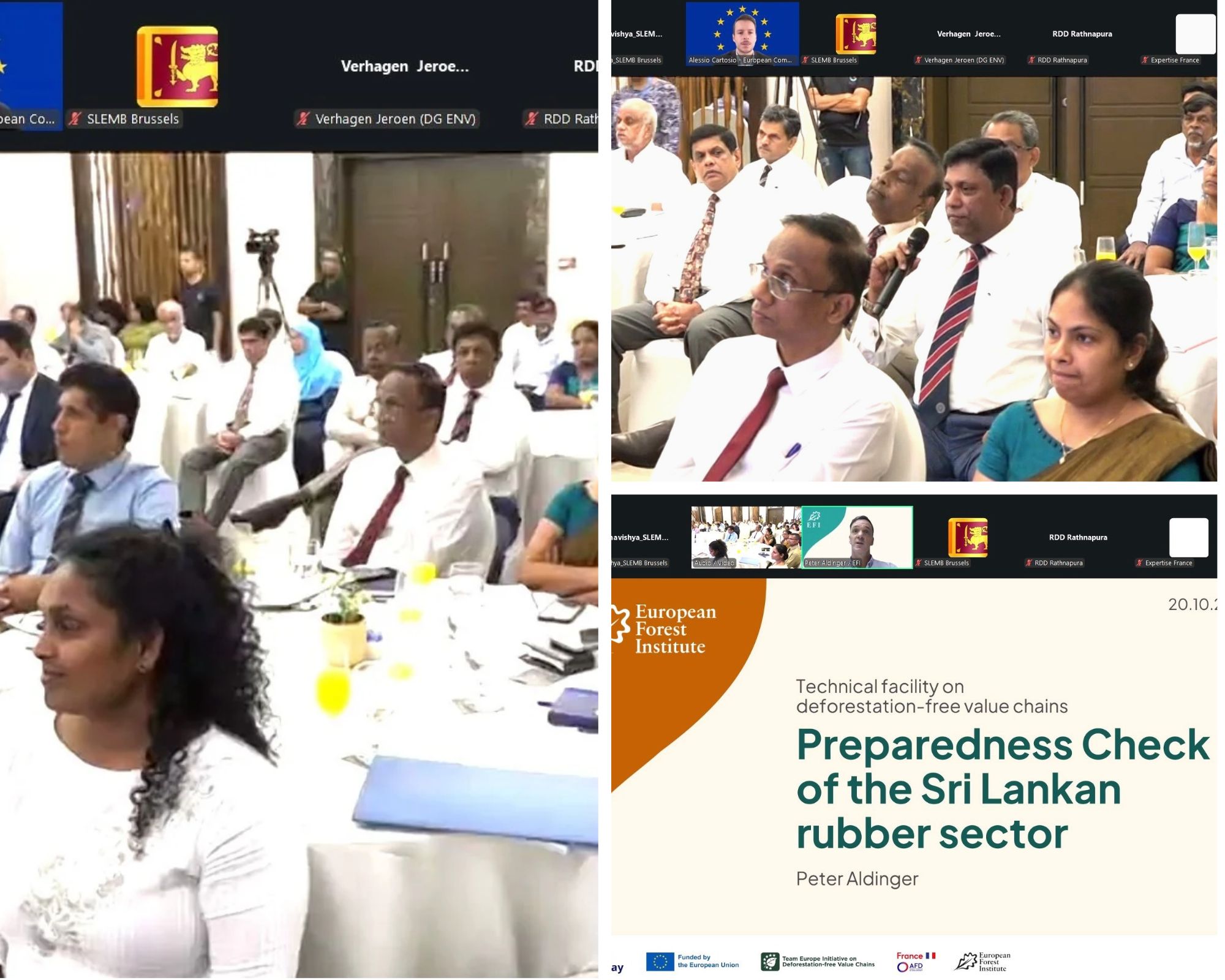

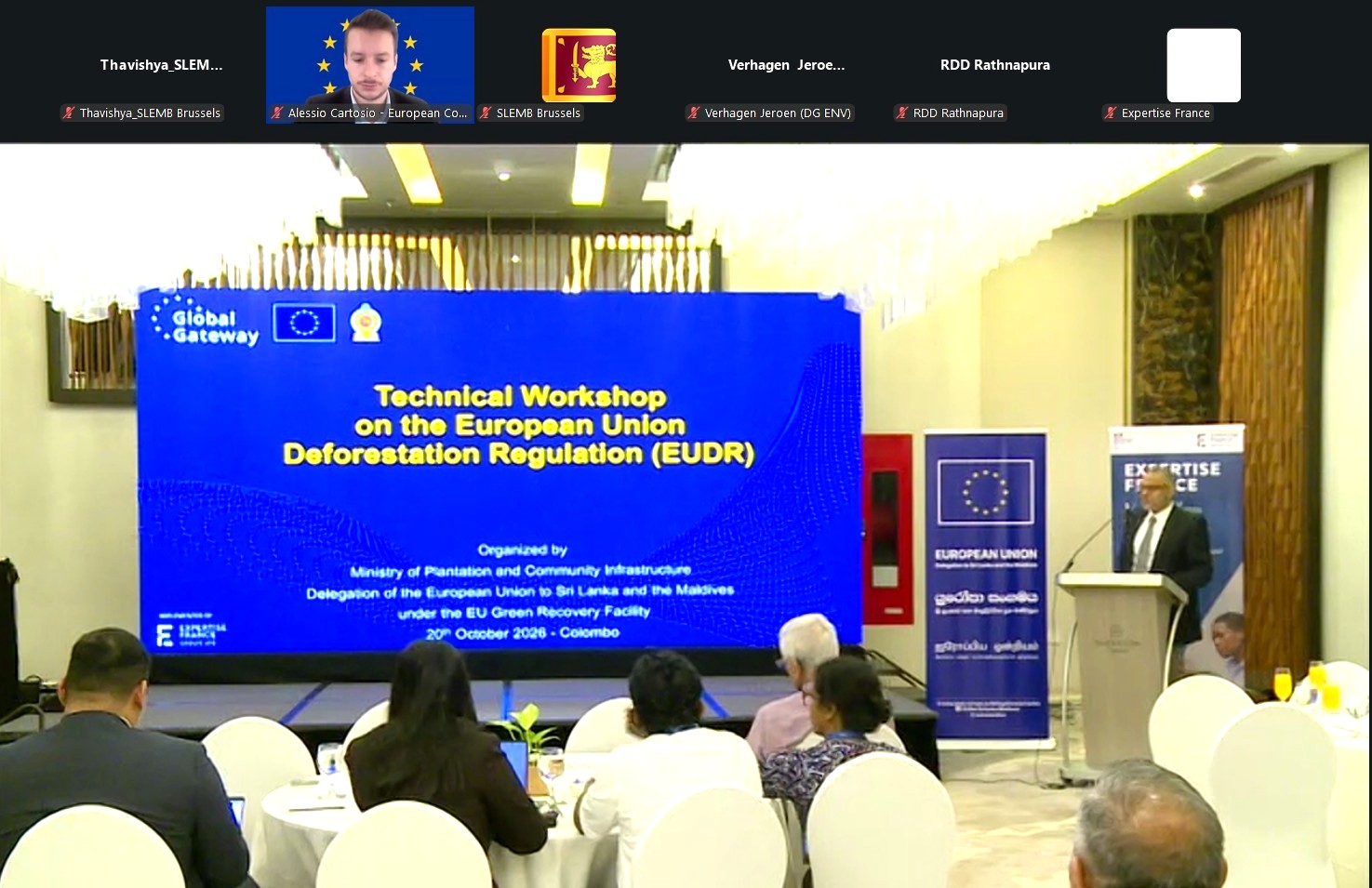
A technical workshop was held in Colombo on 20 October 2026 to strengthen Sri Lanka’s understanding of and preparedness for the European Union Deforestation Regulation (EUDR). Initiated by the Embassy of Sri Lanka in Brussels, the workshop was jointly organised by the Ministry of Plantation and Community Infrastructure and the EU-funded Green Recovery Facility (GRF), implemented by Expertise France. The event brought together representatives from government institutions, the rubber industry and other key stakeholders to discuss the regulation’s requirements and implications for Sri Lankan exporters with European experts.
In his opening remarks, the Additional Secretary to the Ministry of Plantation and Community Infrastructure, N.A.A.S. Priyankara, highlighted the importance of the rubber sector to Sri Lanka’s exports, livelihoods and national economy. He noted that maintaining access to the European Union market required the sector to adapt to evolving requirements, including the EUDR.
The Ambassador of Sri Lanka to the European Union, Chandana Weerasena, emphasised that the EUDR represented more than a compliance measure, supporting progress towards shared global sustainability goals. He added that integrating these standards into existing practices was an investment that would create new opportunities for Sri Lankan exporters and industries to remain globally competitive.
The Head of Partnerships at the Delegation of the European Union to Sri Lanka, Virginie Lafleur-Tighe, stated that the European Union was ready to support Sri Lanka’s practical preparedness for the EUDR through technical dialogue, improved traceability and support for producers and smallholders.
The Policy Officer at the European Commission’s Directorate-General for Environment, Alessio Cartosio, outlined the objectives of the EUDR, the obligations of EU operators and traders, its implications for producers in exporting countries, and the arrangements for implementing the regulation.
The Forest Governance Expert at the European Forest Institute (EFI), Peter Aldinger, presented findings from the Institute’s 2025 assessment of Sri Lanka’s preparedness for the EUDR, highlighting the rubber sector and areas requiring further attention.
The workshop also featured contributions from the Director General of the Rubber Development Department, Rohana Hapugaswatte; the representative of the Planters’ Association of Ceylon, Manoj Udugampola; and the Vice Chairman of the Colombo Rubber Traders’ Association, Buddhi Gunasekara, who shared government and private-sector perspectives.
The EUDR aims to minimise the European Union’s contribution to global deforestation and forest degradation by establishing requirements for commodities and derived products associated with cattle, cocoa, coffee, oil palm, rubber, soya and wood placed on or exported to the EU market. Natural rubber and various rubber-derived products fall within its scope, making traceability, reliable production records, geolocation data collection and supply chain coordination essential for Sri Lanka’s rubber industry.
Given the importance of natural rubber to Sri Lanka’s preparedness for the EUDR, the workshop examined the regulation’s requirements, the country’s readiness and key challenges facing the rubber sector. It also provided an opportunity for government institutions and other stakeholders to engage directly with the European Commission and discuss remaining gaps, institutional responsibilities and practical next steps.
Sri Lanka Embassy
Brussels
30 October 2026